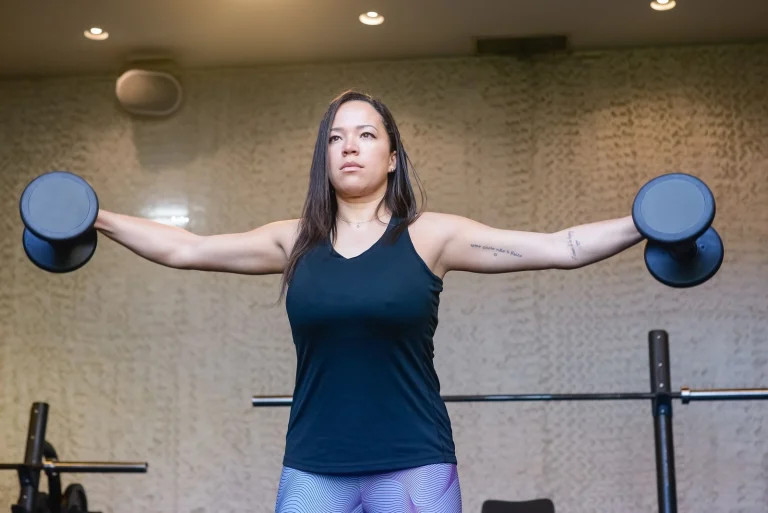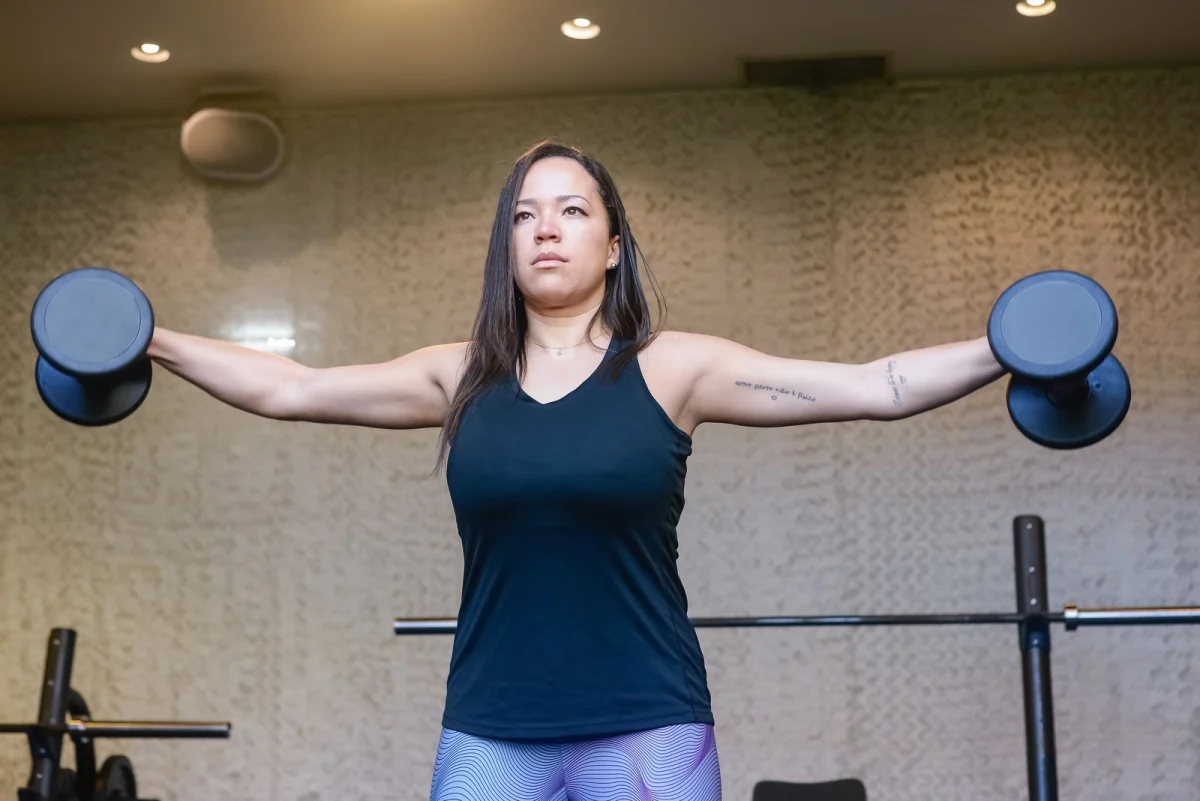
If there’s one habit that does the most for women over 40, it’s strength training. It protects muscle, supports bones, helps manage blood sugar, improves balance and makes ordinary life — stairs, groceries, grandkids — easier.
And you don’t need to become a “gym person” to get those benefits. This guide gives you six foundational exercises, a simple plan you can do at home or in a gym, and everything you need to progress safely.
In this article
Before you start
Check with your doctor before starting a new exercise program if you have heart disease, high blood pressure, osteoporosis, joint problems, a recent injury or surgery, or any symptoms like chest pain or dizziness with activity.
Why strength training matters after 40
- It preserves muscle. Adults gradually lose muscle with age unless they challenge it. Strength training is the most effective way to slow or reverse that.
- It supports bone density. Bones respond to load. This matters more after menopause, when bone loss speeds up.
- It helps manage blood sugar. Muscle is a major site for glucose storage and use.
- It improves balance and reduces fall risk — benefits that compound with every decade.
- It changes how you look and feel. Firmer, stronger, more capable — often before the scale changes at all.
The US physical activity guidelines recommend muscle-strengthening activities that work all major muscle groups on two or more days a week, alongside at least 150 minutes of moderate aerobic activity.
What you need
- A pair or two of dumbbells — adjustable dumbbells or two sets (for example, light and moderate weights).
- A resistance band with handles or a loop band.
- A sturdy chair and a bit of floor space.
A gym gives you more options, but everything in this plan can be done at home.
The six foundational movements
Think in movement patterns, not muscles. These six cover your whole body.
1. Squat — sit-to-stand
Stand in front of a chair, feet about hip-width apart. Push your hips back and bend your knees to lightly touch the seat, then stand up by pressing through your whole foot. Keep your chest up.
Make it harder: hold a dumbbell at your chest (goblet squat), or squat without touching the chair.
2. Hinge — Romanian deadlift or glute bridge
Romanian deadlift: holding dumbbells in front of your thighs, soften your knees and push your hips back, sliding the weights down your legs until you feel a stretch in your hamstrings. Keep your back flat. Squeeze your glutes to stand.
Glute bridge (easier): lie on your back, knees bent, feet flat. Press through your heels to lift your hips, pause, lower slowly.
3. Push — incline push-up
Place your hands on a kitchen counter, sturdy table or wall. Walk your feet back, keep your body in a straight line, and lower your chest toward your hands. Push back up.
Make it harder: use a lower surface — a couch arm, a step, then the floor on your knees.
4. Pull — dumbbell or band row
Place one hand and knee on a bench or chair, back flat, a dumbbell in the other hand. Pull the weight toward your hip, squeezing your shoulder blade back, then lower slowly. Or anchor a band in a door and pull the handles toward your ribs.
5. Carry — farmer’s carry
Hold a heavy dumbbell in each hand at your sides. Stand tall, shoulders back, and walk for 20–40 seconds. It strengthens your grip, core and posture — and it’s exactly what carrying groceries requires.
6. Core — dead bug
Lie on your back, arms reaching to the ceiling, knees bent at 90 degrees above your hips. Keep your lower back gently pressed toward the floor as you slowly lower the opposite arm and leg, then return and switch sides.
Your beginner plan: two days a week
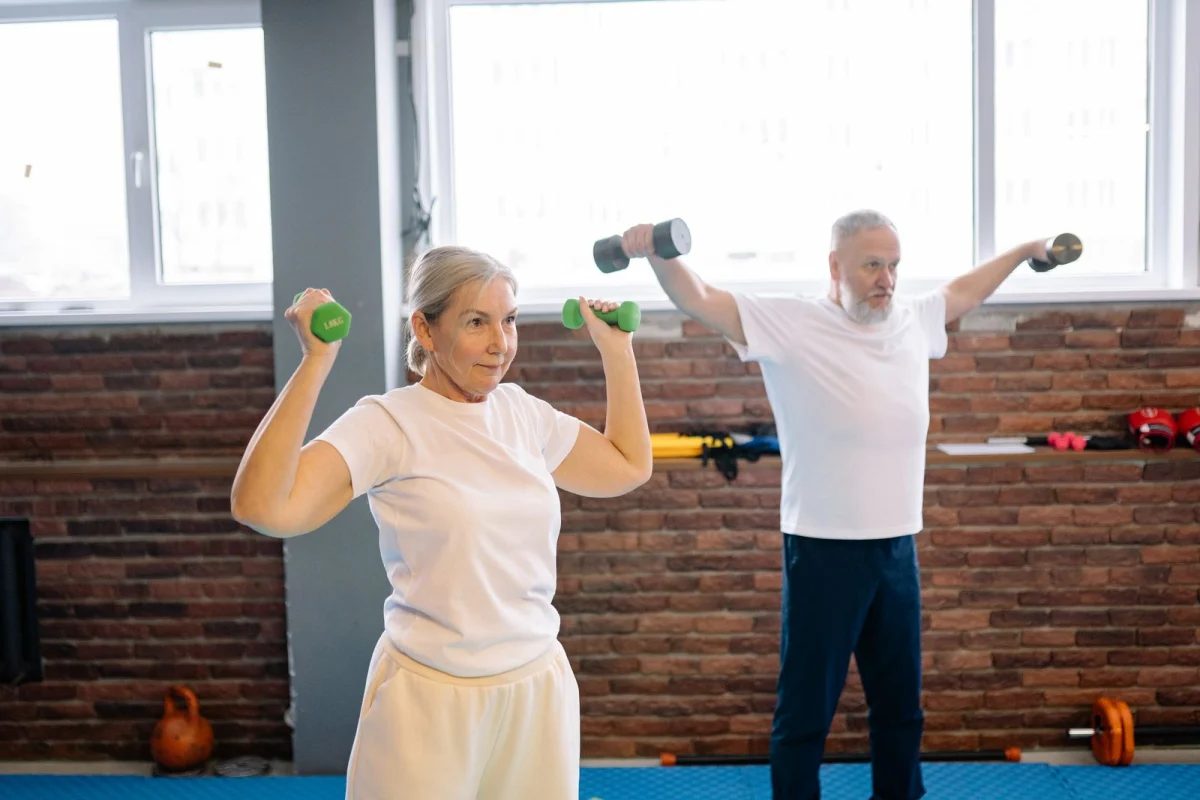
Do this full-body workout twice a week, with at least one rest day between sessions (for example, Monday and Thursday).
| Exercise | Sets | Reps | Rest |
|---|---|---|---|
| Sit-to-stand or goblet squat | 2–3 | 8–12 | 60–90 sec |
| Romanian deadlift or glute bridge | 2–3 | 8–12 | 60–90 sec |
| Incline push-up | 2–3 | 6–12 | 60–90 sec |
| Dumbbell or band row | 2–3 | 8–12 each side | 60–90 sec |
| Farmer’s carry | 2–3 | 20–40 seconds | 60 sec |
| Dead bug | 2 | 6–10 each side | 45 sec |
Warm-up (5 minutes): march in place, arm circles, a few bodyweight squats and glute bridges.
How heavy? Choose a weight that lets you finish each set with good form and about two or three reps “left in the tank.” If you could easily do five more, it’s too light. If your form breaks down, it’s too heavy.
How to progress
Muscles adapt to what you ask of them, so the challenge needs to grow gradually. This is called progressive overload.
| Weeks | Focus |
|---|---|
| 1–2 | Learn the movements. 2 sets each, light weights, perfect form. |
| 3–4 | Add a third set. Aim for the top of the rep range. |
| 5–6 | When you can do 12 good reps on all sets, increase the weight slightly. |
| 7–8 | Add a third weekly session if you’d like, or try harder variations. |
Keep a simple log — even notes on your phone — of the weights and reps you do. Seeing the numbers climb is one of the most motivating parts of training.
Soreness vs pain
Normal: muscle soreness one to two days after a new workout (delayed-onset muscle soreness). It fades as you adapt.
Not normal: sharp pain, joint pain during a movement, pain that gets worse, or pain that lasts more than a few days. Stop that exercise and get it checked if it doesn’t settle.
Special considerations
- Pelvic floor: if you leak urine when lifting, jumping or coughing, that’s common but not something you have to live with. A pelvic floor physical therapist can help.
- Osteoporosis or osteopenia: strength training is generally recommended, but some movements — like heavily loaded forward bending and twisting — may need modifying. Ask your doctor or a physical therapist for guidance.
- Joint pain: most people with knee or hip arthritis benefit from strength work. Reduce the range of motion or choose a gentler variation rather than skipping training entirely.
- Blood pressure: breathe steadily — exhale as you lift, inhale as you lower. Avoid holding your breath.
Make it stick
- Schedule it like an appointment.
- Start smaller than you think. Two sets, twice a week, is a real start.
- Pair it with something you enjoy — a podcast, a playlist, a friend.
- Track strength, not just weight. Lifting heavier, carrying more, climbing stairs easily — those are wins.
- Consider a few sessions with a qualified trainer to check your form.
Frequently asked questions
How long until I see results?
Many beginners feel stronger within two to four weeks. Visible changes in muscle tone usually take two to three months of consistent training.
Should I do cardio or weights first?
If strength is your priority, lift first while you’re fresh. Short walks or easy cardio afterward work well.
Is it too late to start strength training at 50 or 60?
No. Research shows people build strength at every age, including in their 70s and beyond. Start light and progress gradually.
Can I strength train with bodyweight only?
Yes, especially at first. Over time you’ll need more resistance — bands, dumbbells or harder variations — to keep progressing.
The bottom line
Strength training is one of the most valuable things you can do for your body after 40. Six movements, twice a week, gradually getting heavier — that’s the whole formula. Start light, focus on form, and let consistency do the work.
Wondering how strength training fits with weight loss? Read why weight loss gets harder after 40 and our realistic month-by-month timeline.