
For women 40 and beyond
Stronger, steadier — and kinder to yourself.
Why weight loss feels different after 40, and the simple, sustainable habits that still work: lifting, protein, sleep and a lot of patience.
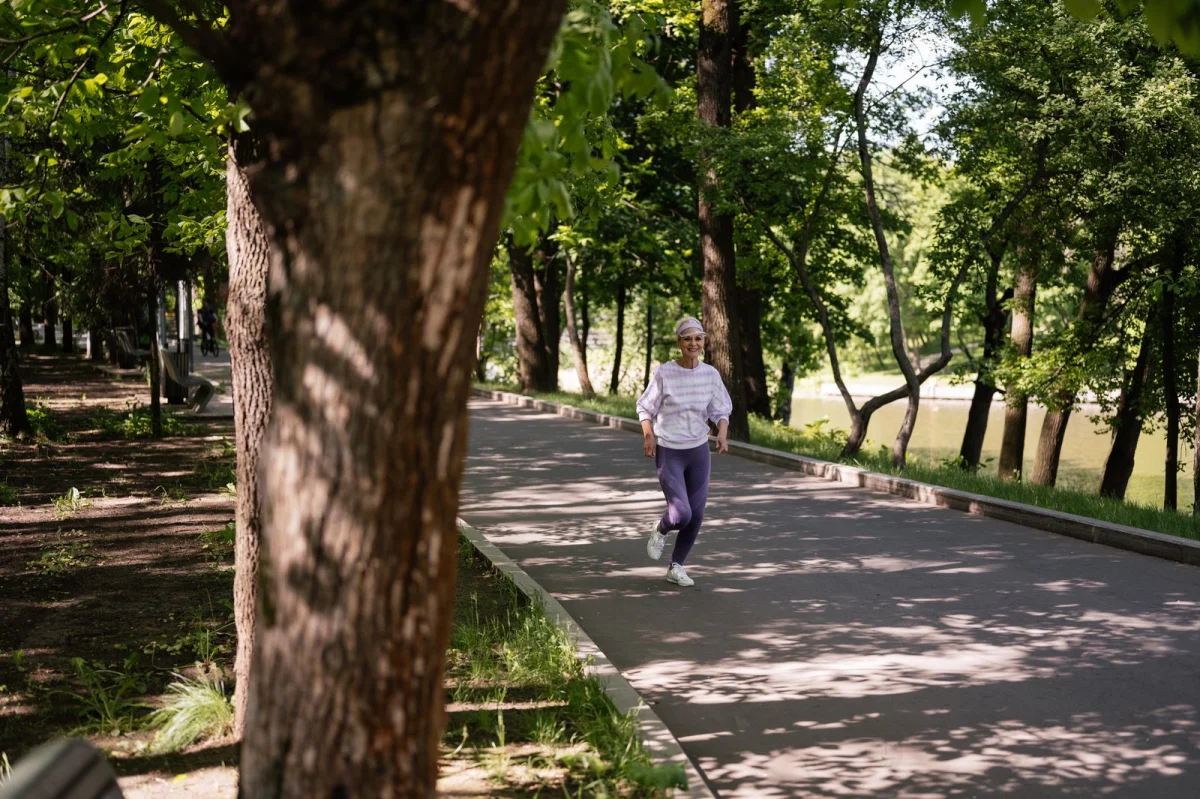
“I’m doing everything I did at 30, and nothing is working.”
If that sounds familiar, you’re not imagining it — and you’re not failing. Muscle naturally declines with age unless we work to keep it, sleep often gets harder, and the hormonal shifts of perimenopause change where and how the body stores fat.
The good news is that the levers that matter most are still in your hands. They just look a little different than they did at 30.
The science, simply
What really changes after 40
Your metabolism doesn’t suddenly break. Several smaller shifts stack up at the same time — and each one has a practical answer.
Muscle
Adults gradually lose muscle unless they challenge it. Less muscle means less strength and slightly lower daily energy use. Answer: strength training twice a week.
Hormones
In perimenopause, estrogen fluctuates and falls, shifting fat storage toward the belly and affecting appetite and mood. Answer: protein, fiber and medical support for symptoms.
Sleep
Night sweats and stress make good sleep harder, and short sleep increases hunger the next day. Answer: a steady bedtime, a cool room and less alcohol.
Everyday movement
More desk time and driving quietly reduce the energy you burn outside workouts. Answer: more steps, especially short walks after meals.
What actually moves the needle
Three pillars, no gimmicks
Strength
Lift something, twice a week
Muscle is the tissue that keeps your metabolism, joints and bones working for you. Two short sessions a week is a real start.
Food
Protein first, then plants
Whether you eat low-carb or not, building meals around protein and fiber keeps you fuller and helps protect muscle.
Patience
Think in months, not days
The scale bounces around. Strength, energy and how your clothes fit tell the real story — on a timeline of months.
Make it doable
A simple week that covers the basics
No complicated program — just a rhythm that fits around work and family. Adjust the days to suit you.
| Day | Movement | One small habit |
|---|---|---|
| Monday | Strength training, 30 minutes | Protein at breakfast |
| Tuesday | Brisk walk, 30–40 minutes | Vegetables with lunch |
| Wednesday | Strength training, 30 minutes | Keep a water bottle on your desk |
| Thursday | Walk plus 10 minutes of mobility | Plan meals for the weekend |
| Friday | Strength or a class you enjoy | A screen-free hour before bed |
| Saturday | Longer walk, hike or bike ride | Batch-cook a protein for the week |
| Sunday | Rest or gentle stretching | Check in: energy, sleep and wins |
New to lifting? Our beginner’s strength guide has a full two-day plan. The US activity guidelines recommend at least 150 minutes of moderate activity plus two days of muscle-strengthening each week.
Fresh on the blog
-
Realistic Weight Loss Timeline: Month by Month
What sustainable weight loss usually looks like over six months — the quick early drop, the steady middle, plateaus and how to…
-
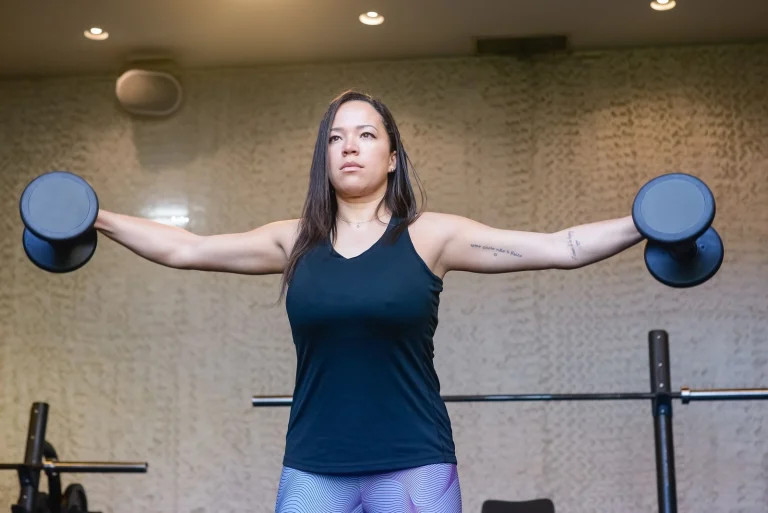
Strength Training for Beginners Over 40
A beginner-friendly guide to strength training for women over 40 — why it matters, six foundational exercises, a simple twice-weekly plan, how…
-
Metabolism Myths Women Still Believe
Nine common metabolism myths — from “it crashes at 40” to fat-burning foods and starvation mode — and what the research actually…
-

Keto for Women Over 40: Pros, Cons, Tips
An honest look at the ketogenic diet for women in their 40s and beyond — potential benefits, real drawbacks, who should avoid…
Protein, made practical
How to get enough protein without overthinking it
Protein helps protect muscle while you lose fat and keeps you fuller between meals. Many researchers suggest active adults aim higher than the basic recommendation — often around 1.2–1.6 grams per kilogram of body weight a day.
In practice, that usually means a palm-sized portion or more at every meal, roughly 25–30 grams. If you have kidney disease, ask your doctor what amount is right for you.
| Food | Portion | Protein |
|---|---|---|
| Chicken breast, cooked | 3 oz | ~26 g |
| Salmon, cooked | 3 oz | ~22 g |
| Firm tofu | ½ cup | ~20 g |
| Tuna, canned in water | 3 oz | ~20 g |
| Lentils, cooked | 1 cup | ~18 g |
| Greek yogurt, plain | ¾ cup | ~17 g |
| Cottage cheese | ½ cup | ~12 g |
| Eggs | 2 large | ~12 g |
Approximate values from USDA FoodData Central.
What a realistic first six months looks like
Weeks 1–4
Build the habits. Two strength sessions, protein at each meal, a regular bedtime. The scale may drop quickly at first — much of it is water.
Months 2–3
Strength climbs, energy steadies. Fat loss is slower and steadier, often around half a pound to a pound or two a week.
Months 4–6
Plateaus happen. Small adjustments, not drastic cuts, keep things moving — and your clothes often tell you more than the scale.
Myth vs fact
Let’s clear a few things up
“Lifting will make me bulky.”
Building large muscles takes years of specific training and eating. For most women, lifting means firmer, stronger and more capable.
“My metabolism crashed at 40.”
Research suggests metabolic rate stays fairly stable from about 20 to 60. Muscle, movement and sleep change more.
“Cardio is the best way to lose fat.”
Cardio is great for your heart, but strength training protects muscle and bone — the combination works best.
“Menopause weight gain is inevitable.”
It’s more likely, not guaranteed. Strength, protein, fiber, sleep and daily steps all make a real difference.
Questions, answered
Frequently asked questions
How much exercise do women over 40 need?
US guidelines recommend at least 150 minutes of moderate activity a week — like brisk walking — plus muscle-strengthening activities on two or more days. Starting smaller and building up is perfectly fine.
Is walking enough to lose weight after 40?
Walking is an excellent foundation for health and adds to the energy you burn, but on its own it does little to protect muscle. Pairing it with strength training gives better results for body composition.
Why is it harder to lose weight during perimenopause?
Fluctuating hormones, disrupted sleep, gradual muscle loss and a busy life stack up. The same core habits still work; progress is often just slower and less linear.
Can hormone therapy help with weight?
Menopausal hormone therapy isn’t a weight-loss treatment, but by easing hot flashes and night sweats it can improve sleep, which supports everything else. Discuss risks and benefits with your doctor.
How fast should I expect to lose weight?
Health organizations describe about 1 to 2 pounds a week as a steady, sustainable pace. After the first month, many women over 40 land at the lower end — and that’s normal.
Do I need to do keto to lose weight after 40?
No. Keto works for some women and not for others. Long-term studies generally find similar results across diets people can stick to. Protein, fiber and consistency matter more than the label.
What would you like us to write about?
Hot flashes and workouts? Protein on a budget? Tell us what you’re stuck on and we’ll look into it.